

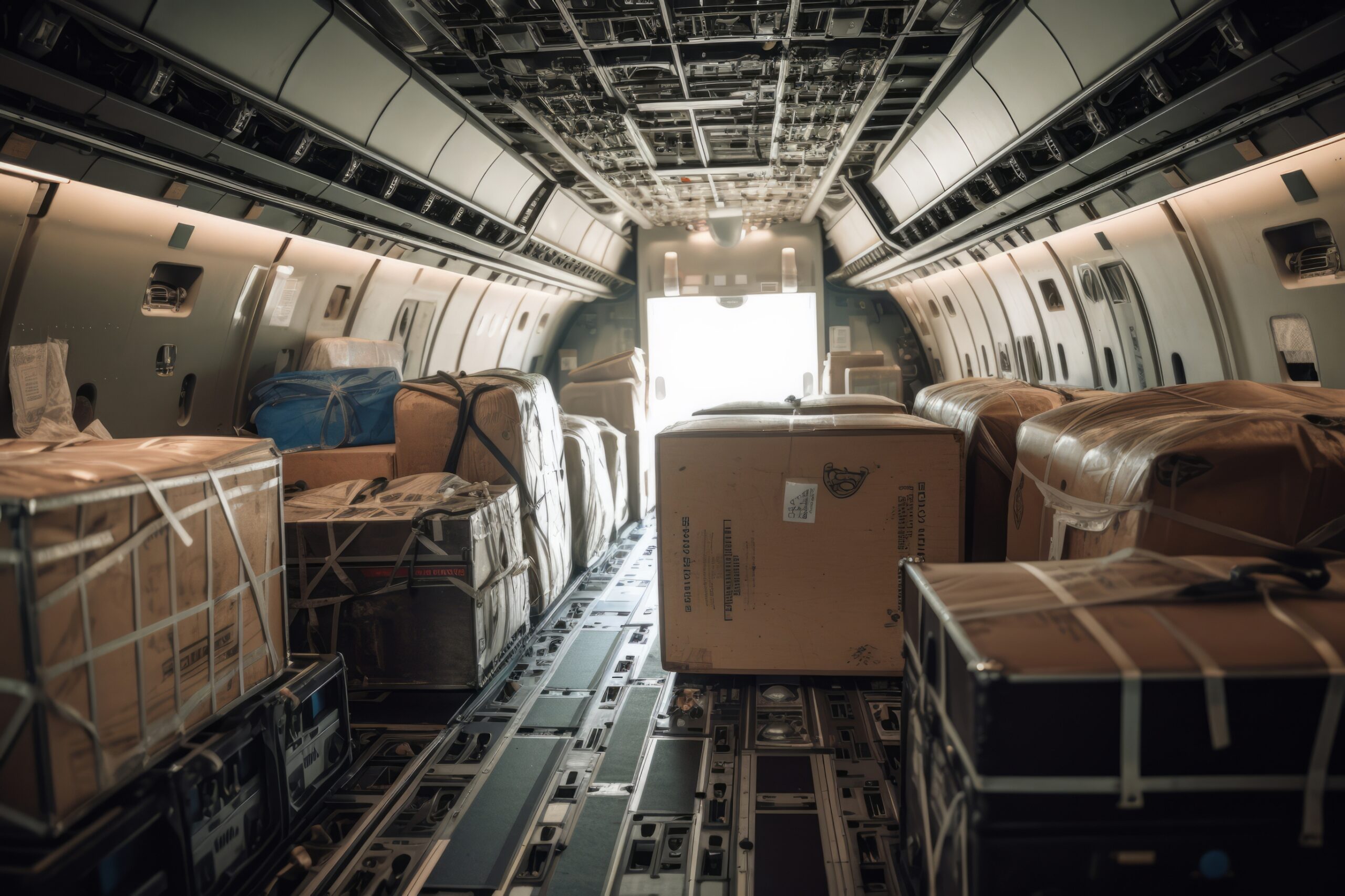
Freight forwarders characterized the third quarter as a period marked by overcapacity and subdued demand, driven by the conclusion of the US de minimis rule and a slowdown in inventory front-loading. Looking ahead, the fourth quarter is anticipated to remain quiet, with some forwarders predicting no significant airfreight peak, while others foresee only a modest and brief surge at best.
That said, the success of the holiday retail season and the potential need for seasonal inventory could drive inventory replenishment toward the end of Q4 and into early 2026. This may provide a revenue boost for freight forwarders, particularly if market capacity tightens, potentially improving profitability.
Spotlight on Vertical Specialization
Demand from US manufacturers is expected to remain weak through at least Q1 2026, as US manufacturing indices have stayed below 50—indicating contraction—through much of 2025, largely due to geopolitical challenges. In this environment, forwarders like Kuehne+Nagel and Expeditors International of Washington have found success by focusing on specific verticals.
Kuehne+Nagel has capitalized on demand for perishables and semiconductors, including hyperscalers, while Expeditors has benefited from its focus on technology, pharmaceuticals, and aviation. Expeditors’ executives noted during their Q3 earnings announcement, “We also continue to benefit from the significant investments being made by our technology customers in artificial intelligence infrastructure.”
Expanding into New Trade Lanes
In addition to vertical specialization, forwarders are exploring new trade lanes outside the US, driven by tariff uncertainties and the complexities of adapting to customs changes. DHL Group CEO Tobias Meyer highlighted this shift during the company’s Q3 earnings call, noting, “In September, China’s exports to the US were down 27%, but trade with Southeast Asia, Europe, the Middle East, Africa, and Latin America saw double-digit growth. These long-haul trades are compensating for some of the decoupling from the US, which is increasingly being replaced by China as the primary trading partner for many countries.”
Strength in US Customs Brokerage
Expeditors International stands out as an exception, leveraging its strong US customs brokerage capabilities. During Q3, this segment delivered robust growth, as highlighted in its earnings announcement: “Our customs brokerage business continues to generate strong growth, given the high demand for our services in the dynamic trade environment. These products and services tend to be more stable than our air and ocean businesses.”
Cost Control and Technology Investments in 2026
As forwarders prepare for 2026, cost control remains a top priority. DSV, for instance, plans to monitor activity levels and adjust capacity and costs as it integrates the former DB Schenker. Similarly, Kuehne+Nagel has announced layoffs and reductions in facilities-related and variable expenses. CFO Markus Blanka-Graff emphasized the importance of these measures, while CEO Stefan Paul highlighted the company’s focus on leveraging digital agents and large language models to reduce service costs.
CH Robinson is also embracing technology, with CEO David Bozeman noting the company’s investments in artificial intelligence to automate tasks, enhance productivity, and allow employees to focus on higher-value strategic work.
A Volatile Airfreight Industry Ahead
The outlook for 2026 suggests continued volatility in the airfreight industry. While tariff tensions have temporarily eased, challenges such as higher borrowing costs, shifting fiscal policies, and geopolitical risks are expected to weigh on growth. Expeditors International CFO David A. Hackett summarized the industry’s approach: “We are focused on aligning our operating cost structure with a lower growth environment while continuing to make strategic investments in high-return areas to drive sustainable, profitable, and capital-efficient growth.”
As 2026 approaches, most leading global freight forwarders are likely to adopt similar strategies, balancing cost control with targeted investments to navigate an uncertain landscape.
©AirCargoNews-CathyMorrow-Roberson